





Frame 236
Multiplay

Hosting

Multiplay has been hosting game servers for more than 25 years, and over 600 games have run on the platform in that time. It sits between your matchmaker and global compute, handling scaling, patching and resilience so your team does not have to. 40-plus regions across owned bare metal and multi-cloud, with a sub-30ms target in the major population centers.

0 +

Locations

0 +

Years hosting game servers

0 %

Fleet uptime

What we do

Multiplay pioneered the hybrid model in the 2010s, running bare metal and cloud as one system, and has operated it at scale ever since. One scaling system decides where each session runs, across 40-plus regions and five public clouds alongside our own hardware.

Hybrid by design

Seamlessly blending multi-infrastructure fleets

Multiplay is built on its hybrid allocator, which allocates hosting capacity in the region and location of your choice. The scaling and provisioning of that capacity sits with us, enabling sub-second allocation times and cost-effective descaling exactly where your players want to play. We deal with everything under the hood: security, maintenance and shipping builds.

Our platform balances different server specifications so every location has capacity to scale into, whether you're scaling onto bare metal or a cloud provider, all while being cost aware. We run across multiple cloud providers to maintain an ultra-resilient architecture, combined with bare metal providers to balance cost against resilience.

  • Our own machines and five public clouds, run as one
  • 40-plus locations worldwide
  • Under 30ms for most players
  • Bandwidth included in the cost of the hardware
  • Capacity planned with you before launch
50%+ Saved compared to pure cloud

Why partner with us

One group, four studios, and the same principles on every engagement.

01

In the trenches with you

Our engineers join your standups, ship alongside your team, and stay accountable for what lands. We work as part of your team for as long as you need us there.
02

We have done this before

Twenty-five years, 800-plus game launches behind us, and two billion players served. Auth failures, scaling fires, the 2am launch crisis: we have solved all of it already, which is why we usually know where a system will break before it does.

03

We take on hard problems

Scale, compliance, legacy migrations, 10M CCU load testing. The problems that break teams are where we do our best work, and they are most of the reason we like this job.

04

We ship on deadline

Deadlines do not move and neither do we. From a VC timeline to a Department of Defense contract, we deliver under pressure, and we tell you early if anything looks at risk.

05

We actually play games

We hold strong opinions about matchmaking, progression, and UI because we play the things we build. Caring about the player experience comes easier when you live in it.

1 / 5 In the trenches with you

Where hosting fits in the life of your game

Hosting stays light early, gets heavy from pre-launch onward, and then never stops. Here is what we take on at each stage, and how much of it we carry as the game moves through them. This is a multiplayer service, so single-player titles rarely need dedicated game servers at all.

01

Pre-production

We start with technical discovery and a product-fit review. We make the architecture decisions with you and plan capacity across bare metal and cloud together, so the shape of the fleet is agreed. We recommend how to integrate, through our SDK or straight on the allocation API.

  • Technical discovery
  • Joint capacity planning
  • Named engineer
Usually alongside Online Systems Game Development
02

Production

We take your compiled game server binary, evaluate it and integrate it with the orchestration platform. That happens through our SDK, the CLI or the allocation API directly, and it works the same way whether the game is built in Unity, Unreal or your own engine. On an assisted integration your team keeps ownership of the build while we co-design the integration and sit in your design reviews.

  • Build integration
  • SDK CLI or API
  • Unity Unreal and custom
Usually alongside Game Development Online Systems
03

Post-production

We validate the fleet and run end-to-end tests, including the matchmaker workflows that allocate and release servers. We load test on the numbers you are planning for and check the autoscaler behaves when demand moves fast. Observability comes with it, so logs, crash reports and traces are tagged per allocation and you can follow a single session through the system.

  • Fleet validation
  • Matchmaker workflows
  • Load testing
  • Observability
Usually alongside Online Systems
04

Pre-launch

We pre-warm capacity and ramp it ahead of go-live, so the servers are already standing when the game opens. The engineer who has been on the project since the first call is there through the launch window. We agree what burst looks like, which regions come up in what order, and what happens if demand arrives somewhere nobody expected.

  • Pre-warmed capacity
  • Regional ramp
  • Launch plan
Usually alongside Online Systems Live Operations
05

Launch

Capacity is warm before players arrive, with steady-state load on bare metal and burst going to cloud as demand climbs. We watch fleet health in real time and our engineers are on it around the clock through the launch window. The autoscaler places every session on the best available host, so a region filling faster than forecast gets covered as it happens.

  • Burst on demand
  • Steady state on bare metal
  • Real-time fleet health
Usually alongside Live Operations Online Systems
06

Post-launch

We keep optimizing capacity across bare metal and cloud as the real player curve appears, which is where most of the hosting cost gets decided. We handle OS and game patching and promote new builds through your environments. We plan capacity around seasons and DLC, so a content drop does not arrive with the fleet sized for a quiet week.

  • Capacity optimization
  • OS and game patching
  • Build promotion
  • Seasonal and DLC planning
Usually alongside Live Operations
07

Long term

Our engineer stays on the account, so the person who knows your fleet is still there in year three. We keep patching, promoting builds and tuning capacity as the game changes. Incident support runs around the clock, and we review the account with you regularly to take out what the game no longer needs.

  • Named engineer
  • Around-the-clock incident support
  • Regular reviews
Usually alongside Live Operations Online Systems

Games we have worked on

A few of the games running on our fleet right now.

  • NBA The Run PLAYBYPLAY
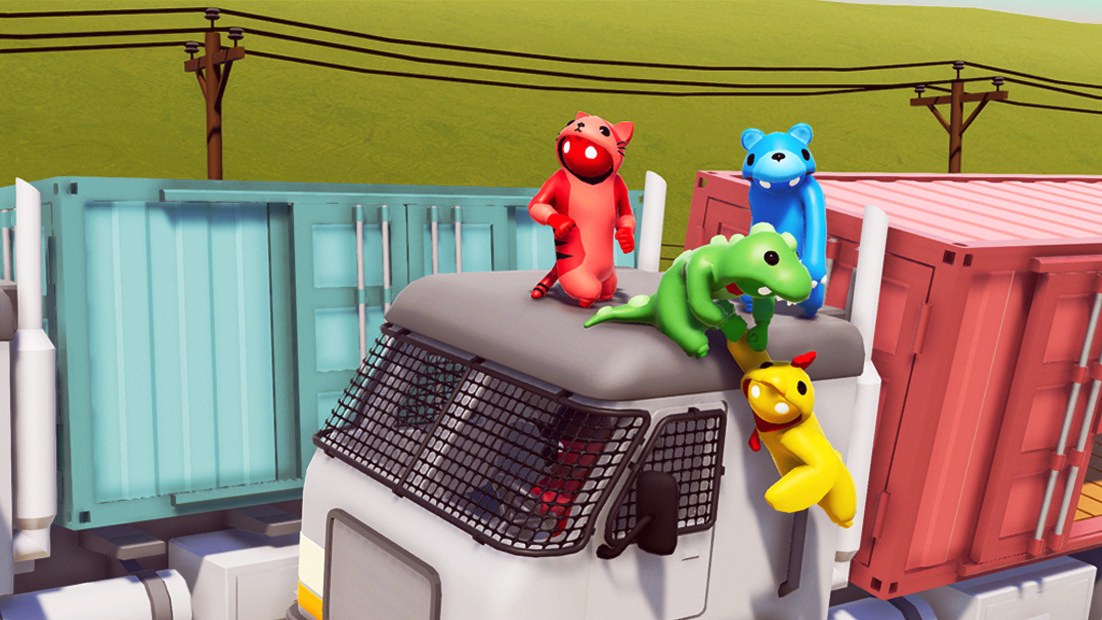
  • Gang Beasts Boneloaf
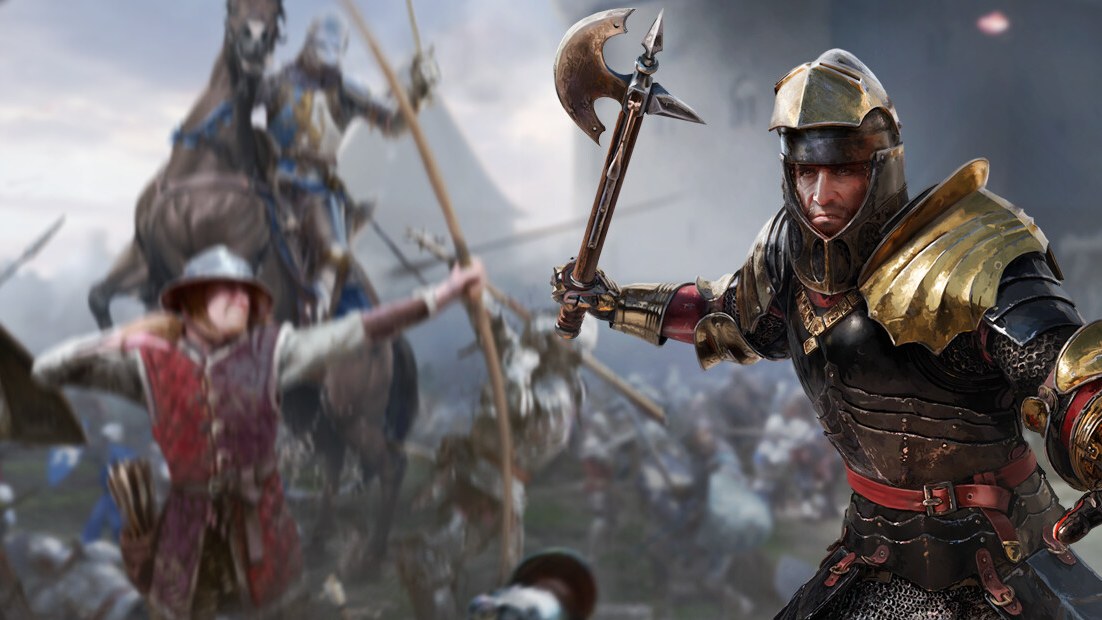
  • Chivalry 2 Torn Banner
  • Rising Storm 2: Vietnam Tripwire
  • Among Us Innersloth

Bring us your game

You get people who care about it as much as you do, for the whole life of it.