




In the trenches with you
Our engineers join your standups, ship alongside your team, and stay accountable for what lands. We work as part of your team for as long as you need us there.
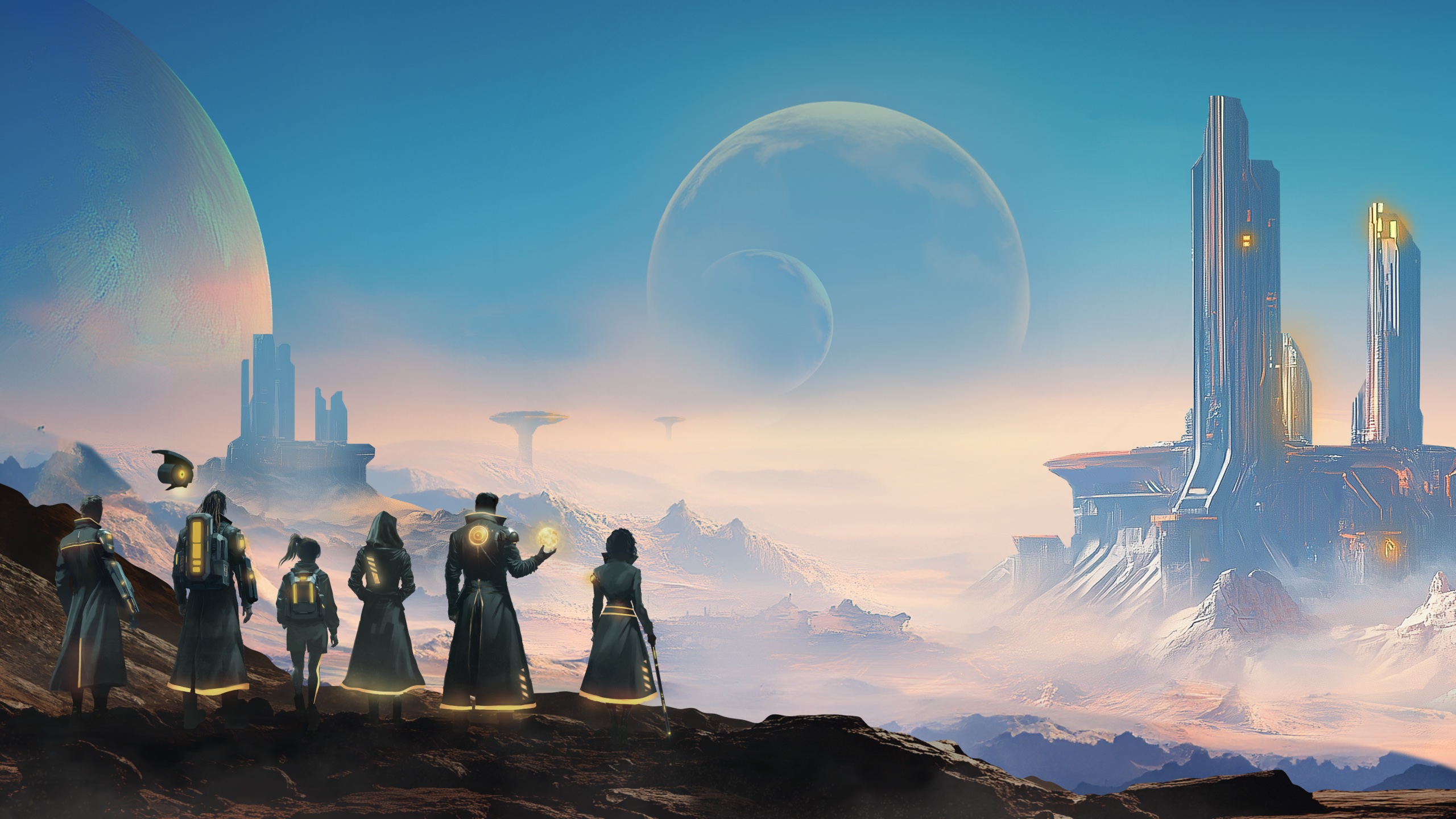
Atomic Theory takes on gameplay, UX and UI, engine and pipeline work, with 60-plus veterans out of Activision Blizzard, PUBG, Epic, Microsoft and Unity behind it. The team has shipped more than 100 games, and it will either strengthen the crew you already have or lead the whole build, depending on which one you actually need.
0 +
Games shipped
0
Years
0 +
Veteran developers

Atomic Theory works as co-developers. Some clients want a guiding hand on one part of the game, others hand us the whole project.
Atomic Theory is full of engine specialists. Camera, controls, character, features, gameplay, optimization: the systems players feel constantly without ever naming them.
We have covered most generations of console and we know where porting to new hardware goes wrong. Most recently we brought Unbeatable to PS5 and Xbox Series X.
Every platform carries its own player expectations, so we work with you to beat them and make the game feel like it belongs on the hardware.
We come into an existing codebase, work out what the target hardware will actually allow, and build the plan that gets you to your visual and frame rate targets. Players stay in the game when the game stays smooth.
From ground-floor design through post-launch seasonal work, our UI and UX teams handle ideation, creation, and retention, and they are strongest on wireframing, content creation, and user-centric optimization.
We care about the unglamorous half too: information architecture, content workflows, new user experience, globalization, accessibility. It all shows up in how the game feels.
Atomic Theory’s experience runs well past a standard service list. We build entity authorship pipelines that let a design team iterate faster, mod tools that hand content creation to your players, and obfuscation that keeps proprietary code away from prying eyes. If the next thing turns out to be something else entirely, that is usually the part we enjoy.
One group, four studios, and the same principles on every engagement.
Our engineers join your standups, ship alongside your team, and stay accountable for what lands. We work as part of your team for as long as you need us there.
Twenty-five years, 800-plus game launches behind us, and two billion players served. Auth failures, scaling fires, the 2am launch crisis: we have solved all of it already, which is why we usually know where a system will break before it does.
Scale, compliance, legacy migrations, 10M CCU load testing. The problems that break teams are where we do our best work, and they are most of the reason we like this job.
Deadlines do not move and neither do we. From a VC timeline to a Department of Defense contract, we deliver under pressure, and we tell you early if anything looks at risk.
We hold strong opinions about matchmaking, progression, and UI because we play the things we build. Caring about the player experience comes easier when you live in it.
Development runs heaviest at the start and never quite stops. Here is what we take on at each stage, and how much of it we carry as the game moves through them.
We help you choose the engine, or look over the custom one you already have, and set out how the core frameworks will be structured. We prototype the features carrying the most technical risk, work through the UI architecture, and get the camera, controls and character far enough along that you can feel whether they are right. You finish pre-production knowing what the full build will take and which platforms it can reach.
We build camera, controls, character and gameplay features in your engine, whether that is Unreal, Unity, Source or something custom your team already runs. Our UI designers produce the screens, art and animation, and our engineers build the frameworks driving them. We write custom tools and workflow improvements where repetitive work is costing your team time. All of it happens in your repository and to your coding standards.
We run optimization passes until the frame rate holds on the lowest-spec hardware you support, and work through the bugs that only appear once every system is switched on at the same time. We take the game through platform certification, which is the set of checks each console holder runs before a game goes on their store. Where you are shipping on several platforms, the porting work runs alongside this so the builds stay level.
We produce and test the release candidates, run the final optimization and finish the UI. On a multi-platform launch we sim-ship, which means holding every platform build to the same standard on the same date, including the certification submission for each one. We hold the change list with you, so late work goes into the first patch where it cannot be tested in time.
The engineers who built the game stay on it through launch week. We triage what comes in from players, build and test the hotfixes, and put them back through submission on every platform you shipped on. Where a crash comes from a system we wrote, it goes to the person who wrote it. We work at that pace until the reports slow down.
We build the new features and content, and rework the parts of the UI that live data shows people struggling with. Optimization carries on as the game gets heavier with each update. If you decide to add a platform now, we take the port on and your own team stays on the live game. We also pick up the engine and tooling work that got deferred during launch.
We upgrade the engine version as new releases land, keep the build working against new platform toolkits and hardware, and port the game to platforms that did not exist when you started. We add features years after the original team has moved on, working from the codebase as it stands. We keep the project buildable and the toolchain current on games nobody has compiled in a year or more.
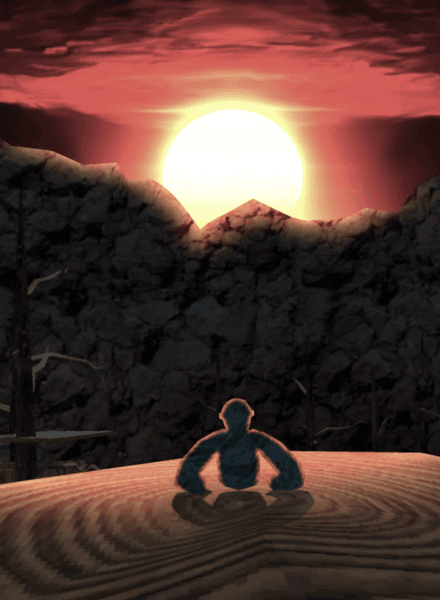
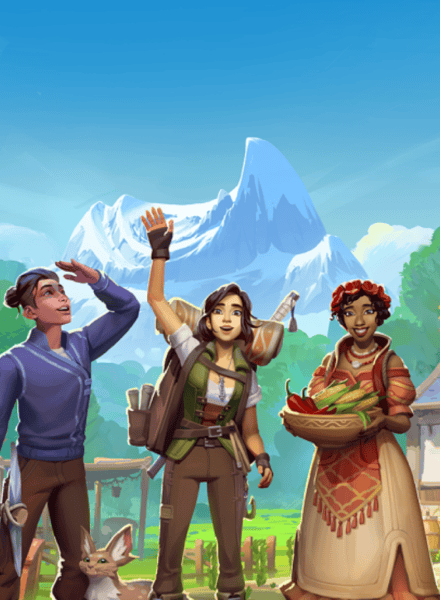
A sample of the titles this team has taken on, from prototype through to live service.
Gorilla Tag
Another Axiom
Palia
Singularity6
Fall Guys
Mediatonic
2XKO
Riot Games
Gang Beasts
Boneloaf
Deadlink
Gruby Entertainment
Tell us where the game is now and we will tell you how we would take it on.